HED captures how patients actually experience their symptoms - continuously, not every two weeks - increasing statistical power, improving trial success rates, and accelerating regulatory approval.
Psychiatric and CNS trials still rely on instruments designed in the 1970s and 80s. Questionnaires capture a single retrospective data point every two weeks - missing the full trajectory of how patients feel day to day. Meanwhile, wearables generate rich physiological signals with no experience data of sufficient resolution to map onto them. Poor measurement is a known driver of false negatives, and better endpoint data is the clearest path to reducing them.
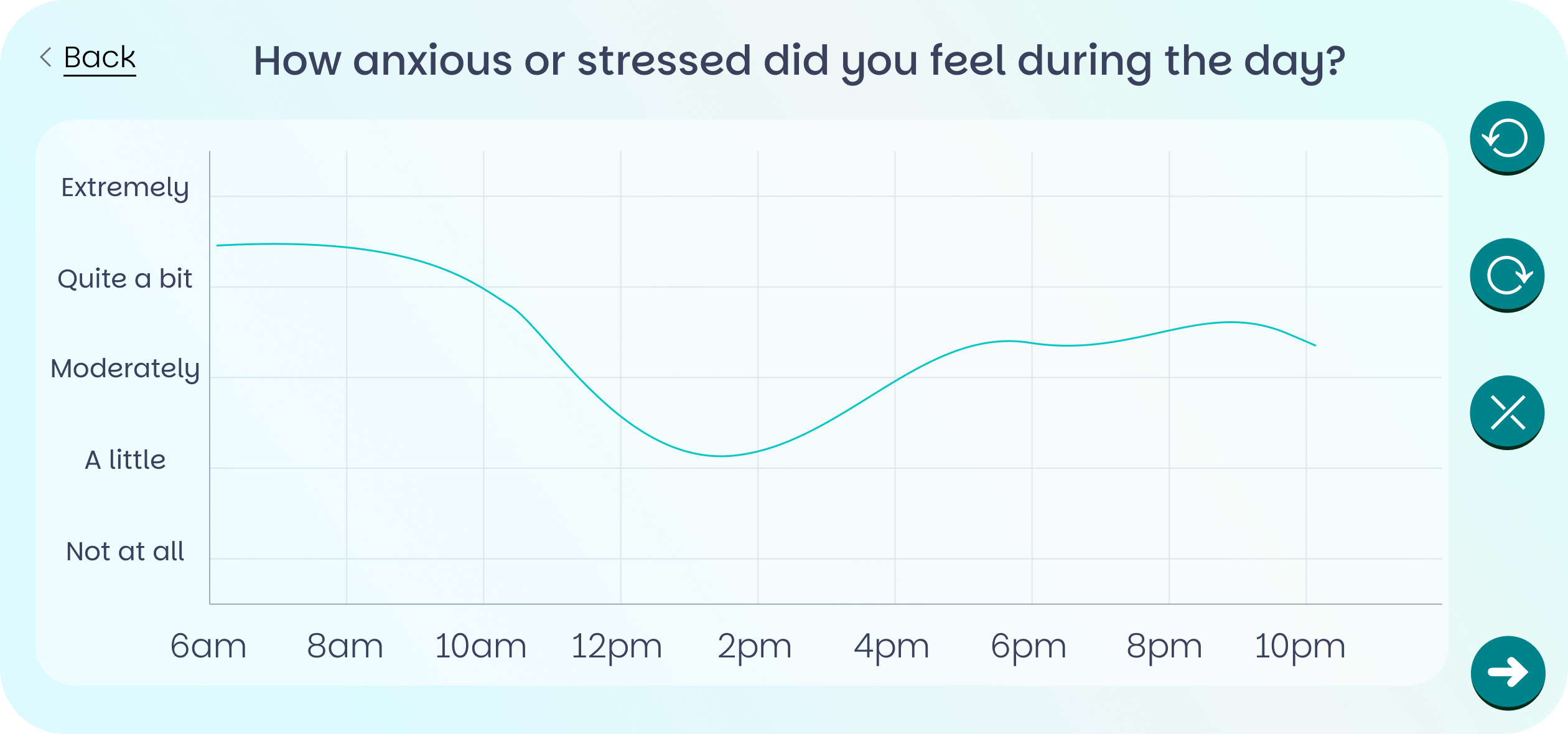
Traces (Temporal Experience Tracing™) is a validated data collection method that captures how patients experience their symptoms continuously throughout each day - not as a single retrospective score, but as a rich time-series that mirrors the natural rhythm of lived experience.
Each evening, patients draw a simple continuous curve on their phone or tablet showing how their symptom fluctuated across the day. It takes under two minutes. The result is 100× more data per participant than standard questionnaires, with lower bias and measurably greater sensitivity to treatment effects.
TET data integrates seamlessly with EEG, wearable signals, sleep tracking, and activity monitoring - bridging the granularity gap between physiological data and the patient experience it's meant to reflect.

Through richer, more sensitive endpoint data, HED makes clinical trials more informative, more likely to succeed, and faster to reach regulatory submission.
HED sits alongside your existing trial infrastructure. Traces are collected in addition to any standard questionnaires or EMAs already in your protocol - enriching, not replacing, your current endpoints with continuous daily data.
Each evening, patients draw a continuous curve showing how their symptom changed throughout the day - from waking to sleep. Under two minutes, on any mobile device or tablet. Traces are collected on top of any standard questionnaires or EMAs already in your protocol - adding a continuous daily layer without replacing existing instruments or disrupting site workflows.
TET data layers seamlessly onto EEG, wearable signals, sleep data, and activity monitoring. HED manages the integration with your existing wearable or biotech partner and runs the analytics on the combined experience-physiology dataset.
A real-time monitoring dashboard gives your trial team live visibility into patient experience and protocol adherence. At the end of the trial, HED delivers a full analytics package and a regulatory-grade clinical report ready for submission.
HED integrates into your existing trial infrastructure. We are not a CRO - we are the endpoint intelligence platform that makes your subjective data work harder.
Validated subjective endpoints that meet FDA and EMA requirements. Richer data, smaller required sample sizes, and faster regulatory submissions - for psychiatric, CNS, and digital therapeutic trials.
Add a high-sensitivity experience data layer to any existing trial infrastructure. TET integrates with eCOA platforms - drop-in endpoint enrichment with no disruption to existing operations.
Generate the clinical evidence your mental health claims require. HED bridges the gap between your physiological data and the patient experience it's meant to capture - providing the validation signal that gets you to market.
TET has been deployed across a breadth of clinical conditions and research contexts, with consistent internal and external validity and physiological cross-validation. Currently deployed in trials for Mild Cognitive Impairment, Generalised Anxiety Disorder and PTSD.
Partners & collaborators
HED spins out of the University of Cambridge Cognition and Brain Sciences Unit. Our founders combine decades of neuroscience research with deep expertise in data science, product, and clinical trial operations.

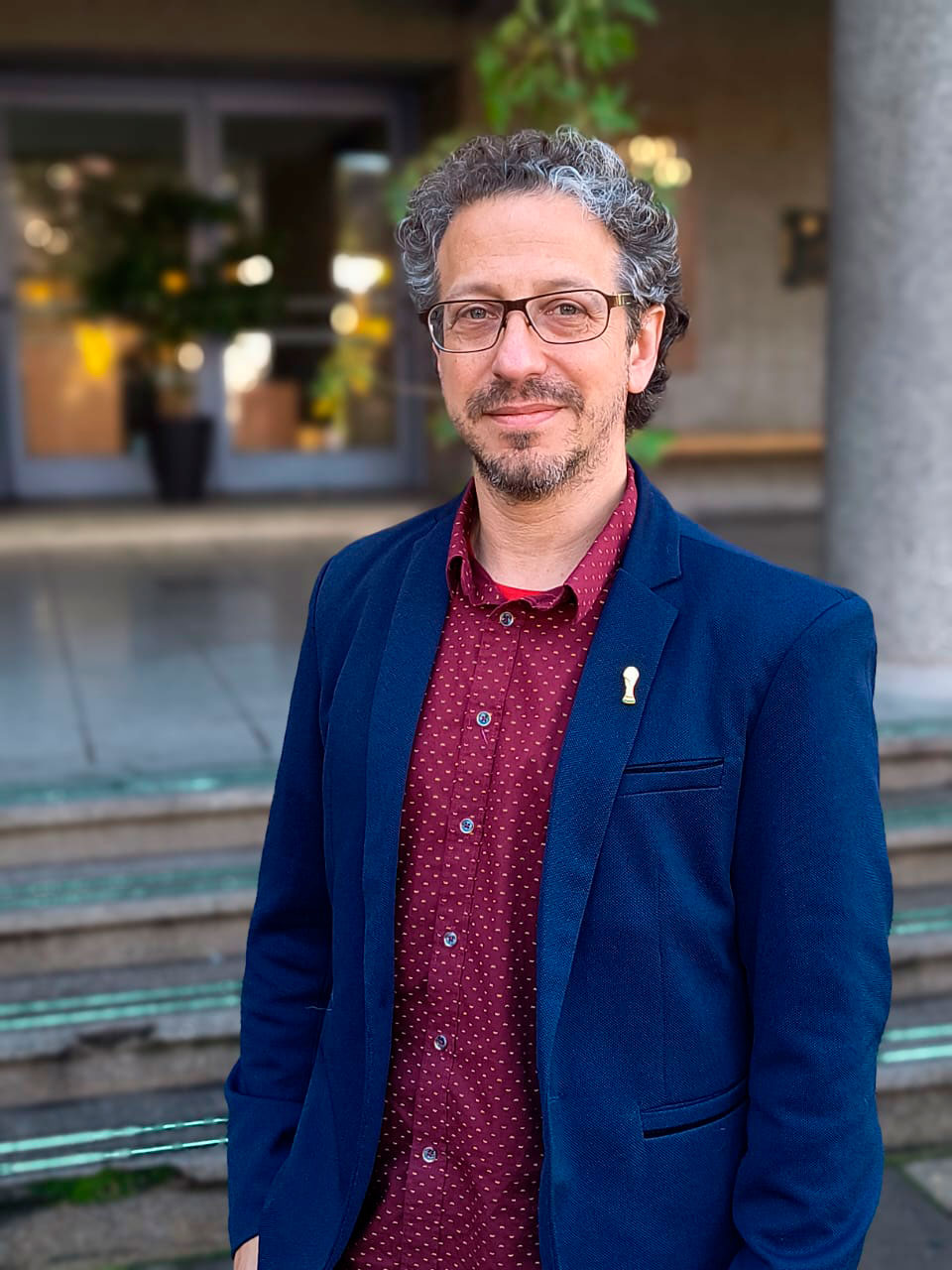
Professor of Consciousness and Cognition at the University of Cambridge. 20+ years of research into the neural and phenomenological dynamics of consciousness, attention, and subjective experience. Principal Investigator of the Cambridge Consciousness and Cognition Lab.

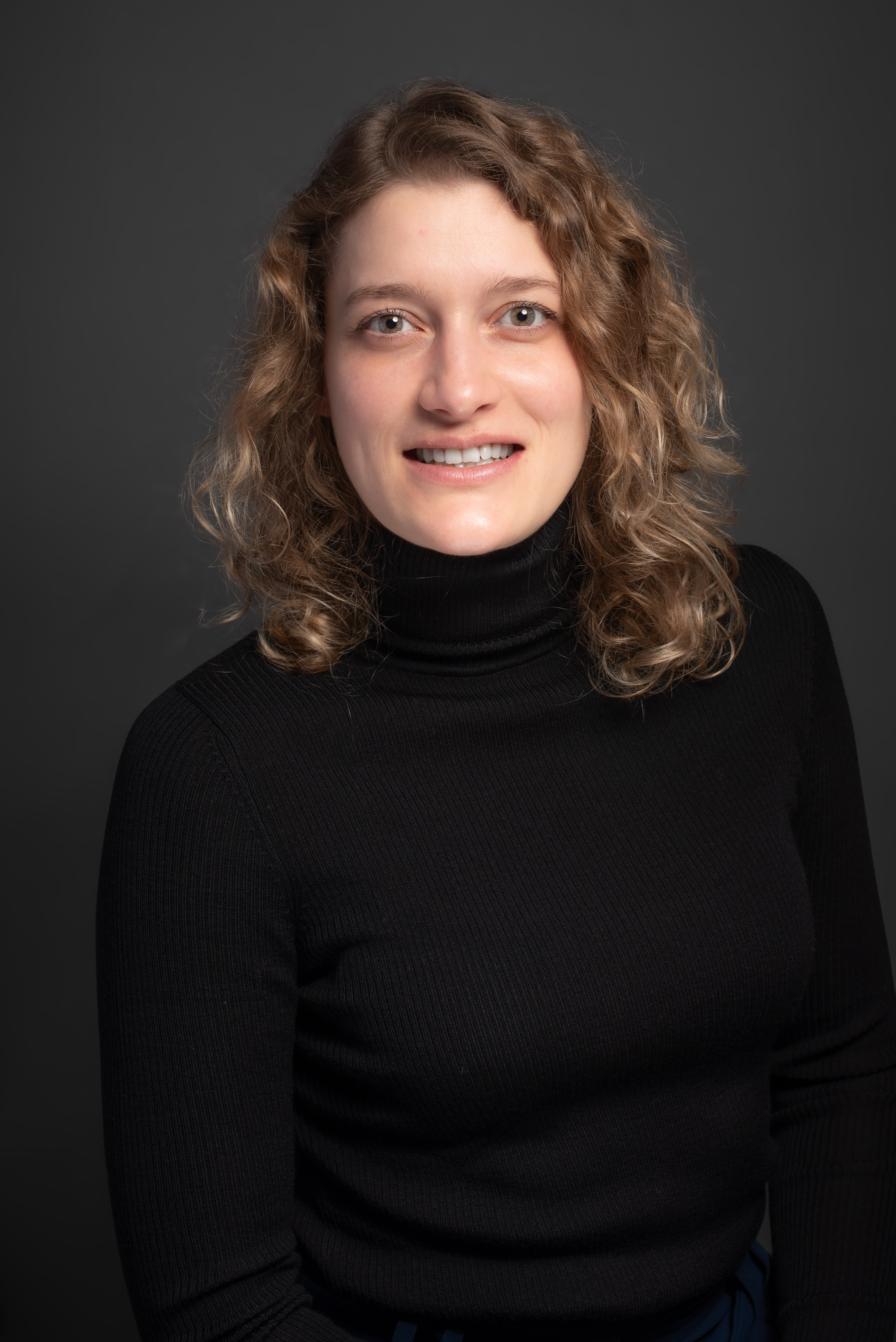
Product leader and data scientist. PhD from the University of Cambridge. Previously at Faculty AI and Cheddar. Core developer of the Temporal Experience Tracing method and author of multiple peer-reviewed studies validating TET across clinical populations.
If you're running a psychiatric or CNS trial and want better endpoint data - or if you're a wearables company looking for clinical validation - we'd love to hear from you.
We'll be in touch within one business day.